clipped from www.neatorama.com clipped from www.neatorama.com
|
Wednesday, June 13, 2007
The world's top ten trees


Tuesday, June 12, 2007
The Scary Side of Global Warming: Potential Sea Level Rise
Greenhouse warming might be more disastrous than the recent international assessment managed to convey, scientists are realizing. But how can they get the word out without seeming alarmist?
Scientists are still trying to strike a balance between their habitual caution and growing concern over uncertain but disastrous greenhouse outcomes.
clipped by kmcolo
Scientists are still trying to strike a balance between their habitual caution and growing concern over uncertain but disastrous greenhouse outcomes.
clipped by kmcolo
 clipped from www.sciencemag.org clipped from www.sciencemag.orgClimate modeler James Hansen knows all about sounding the alarm. In the summer of 1988, drought wracked the country, fire was consuming Yellowstone National Park, and the nation's capital sweltered. Hansen, dubbed NASA's top climate scientist by the media, shouted "Fire!" in the crowded theater: "With a high degree of confidence," he declared, greenhouse warming had arrived. Although many of his colleagues agreed, none chimed in with support; they could not share his high degree of confidence. Hansen, still the director of NASA's Goddard Institute for Space Studies (GISS) in New York City, finds himself at the head of an informal movement to again rouse the public and policymakers. This time he worries that sea level could rise several disastrous meters by the end of the century, as the warming he heralded sends the great ice sheets rumbling toward the sea. Hansen seems to be out on a limb, again. This time, however, he's got company.
|


View of a solar eclipse from space
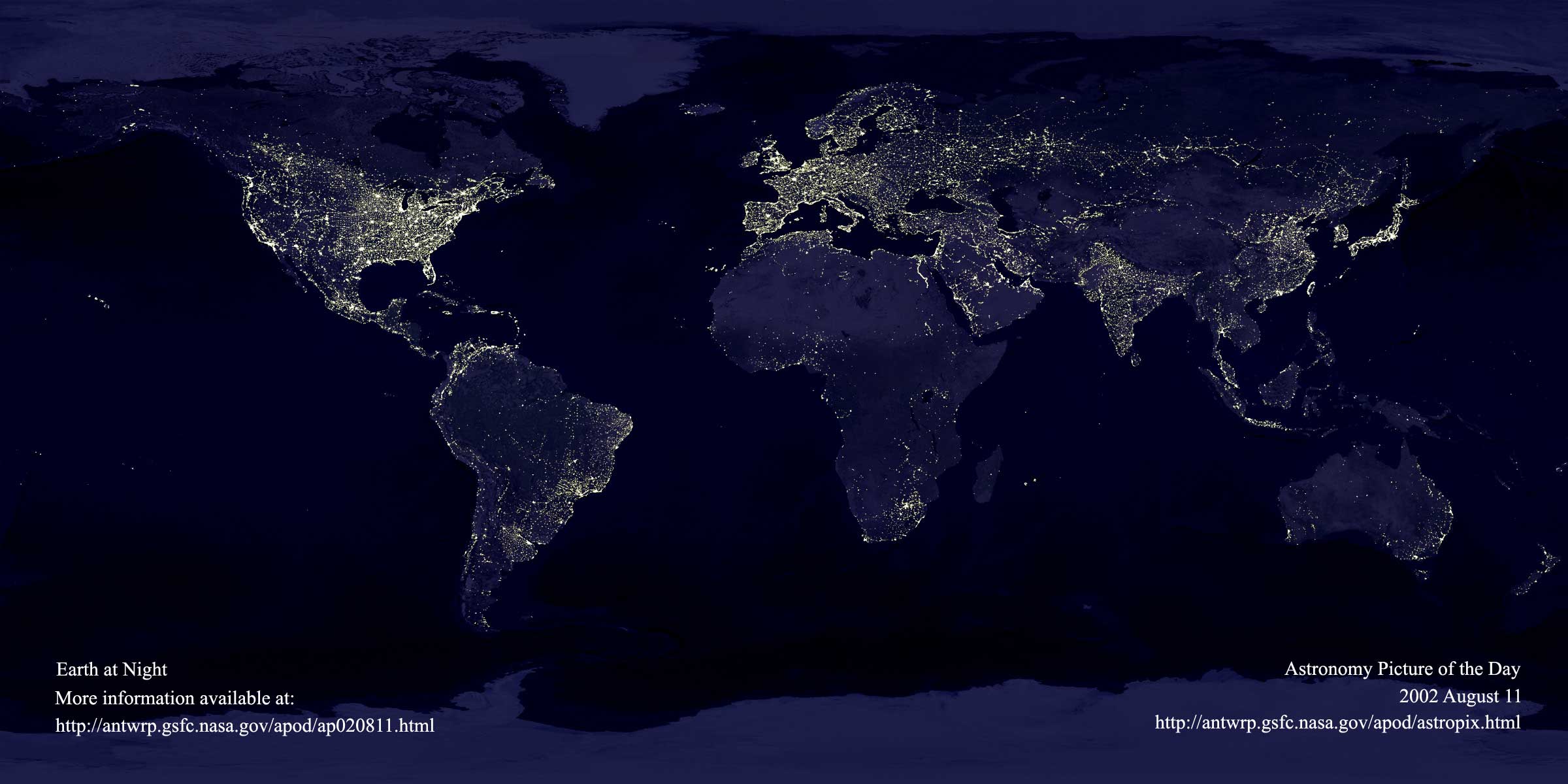
 clipped from antwrp.gsfc.nasa.gov clipped from antwrp.gsfc.nasa.govExplanation:
|


Monday, June 11, 2007
World Bank money now grows on trees
Incentives to avoid deforestation is big business on a warming globe.
 clipped from online.wsj.com clipped from online.wsj.com
|


Indians most worried about global warming
Emerging economies like India and China are often accused of resisting the need to tackle climate change. But a new survey by Australian environmentalist, Jon Dee, published in the latest issue of New Scientist suggested that people of these two countries are most worried about climate change. More than we may be lead to believe if we just listened to those who would tell us to do nothing about emissions until the developing world is kind enough to pull its head in.
The survey was conducted by Seattle-based research group Global Market Insite. It polled opinions from 14000 people in 14 countries to gather solid data on how people feel about climate change.
The survey was conducted by Seattle-based research group Global Market Insite. It polled opinions from 14000 people in 14 countries to gather solid data on how people feel about climate change.
 clipped from www.headlinesindia.com clipped from www.headlinesindia.comIndians are far more concerned about global warming than any other nationality, despite the emerging economy being accused of resisting the need to tackle climate change, a global survey has said. Indians cared most about carbon emissions, with 55 per cent describing themselves as "very concerned" about the issue while just 32 per cent of Britons felt the same way, the survey conducted by Seattle-based research group Global Market Insite found. People in India and China are more willing than citizens of industrialized nations to place restrictions on carbon emissions, the survey published in the latest issue of New Scientist said. Australian environmentalist Jon Dee, who headed the survey team, says the findings fly in the face of calls for developing countries to wake up to the threat of climate change. Almost 90 per cent of those surveyed thought governments should do more to tackle the issue. |

Subscribe to:
Posts (Atom)